Exploring the Connection: Massage Therapy and Its Impact on Anxiety Levels
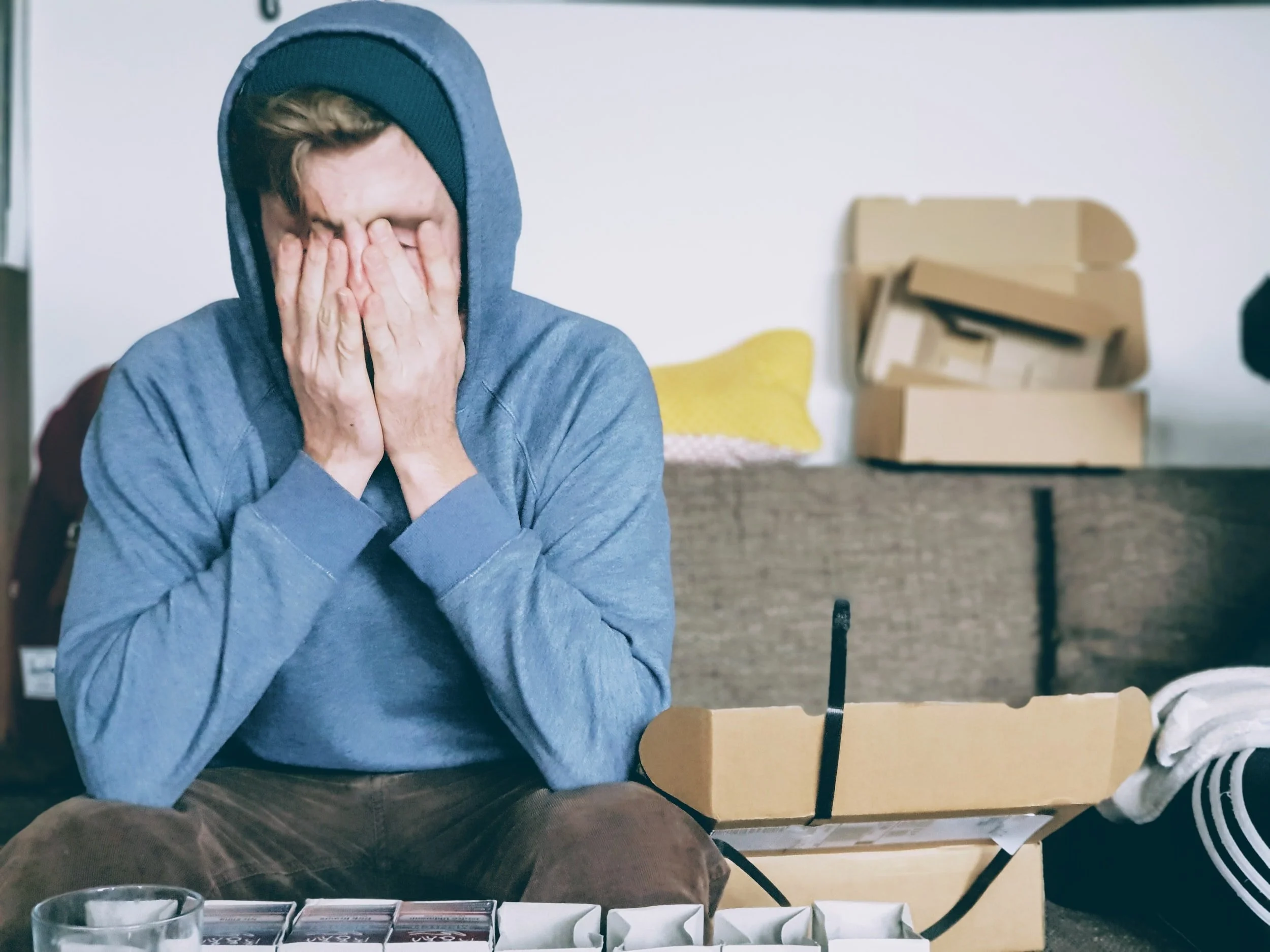
For centuries, massage therapy has been used as a powerful tool for promoting relaxation and wellbeing. In recent years, a growing body of research suggests that it may also have significant benefits for mental health, particularly in managing anxiety. This post will delve into the science behind this connection, exploring how massage therapy can aid in reducing anxiety levels.
Overview of Anxiety
Anxiety is a common but often debilitating condition characterized by feelings of worry, unease, and fear. With the World Health Organization reporting that anxiety disorders affect approximately 264 million people worldwide [1], it is crucial to find effective management strategies.
The Basics of Massage Therapy
Massage therapy involves manipulating the body's soft tissues to promote relaxation, alleviate pain, and improve overall health. Techniques range from Swedish and deep tissue massage to more specialized forms like shiatsu. Massage therapy works by stimulating blood flow, easing muscle tension, and promoting a general sense of relaxation.
The Science Behind Massage Therapy and Anxiety Reduction
Several studies point to the potential benefits of massage therapy for those dealing with anxiety. One piece of research published in the Journal of the American Academy of Child and Adolescent Psychiatry demonstrated that teenagers who received just fifteen minutes of massage therapy showed significant reductions in anxiety and stress levels compared to those who simply rested [2].
Another study in the Journal of Clinical Psychiatry found that adults diagnosed with generalized anxiety disorder exhibited lower levels of anxiety and improved mood following a series of Swedish massage sessions [3].
How to Incorporate Massage Therapy into Anxiety Management
Managing anxiety is a multifaceted process, and massage therapy can serve as a valuable tool in your management toolbox. Regular massage sessions, such as Swedish or deep tissue massage, can help reduce physical tension and promote relaxation, creating a calming effect that can counteract stress. As you lay down on the massage table, think of it as stepping into a peaceful oasis, away from the worries and stresses of life. It's a dedicated time for self-care where you can focus on your wellbeing. Schedule regular sessions based on your comfort level and availability—weekly, biweekly, or monthly—ensuring it fits into your routine. Consider coupling massage therapy with other stress-relieving activities, such as mindfulness meditation, yoga, or regular physical exercise, for a comprehensive approach to anxiety management. Always remember to communicate openly with your massage therapist about your needs and experiences to make the most of your sessions.
Conclusion
The connection between massage therapy and reduced anxiety levels is a growing area of interest in the realm of holistic mental health care. By understanding this relationship, we can open up new pathways for managing anxiety disorders. Share your thoughts or experiences with massage therapy in the comments below – your journey could help others seeking relief from anxiety.
Cited Resources
[1] World Health Organization. (2017). Depression and Other Common Mental Disorders: Global Health Estimates. Geneva: World Health Organization.
[2] Field, T., Morrow, C., Valdeon, C., Larson, S., Kuhn, C., & Schanberg, S. (1992). Massage reduces anxiety in child and adolescent psychiatric patients. Journal of the American Academy of Child and Adolescent Psychiatry, 31(1), 125–131.
[3] Sherman, K.J., Ludman, E.J., Cook, A.J., Hawkes, R.J., Roy-Byrne, P.P., Bentley, S., Brooks, M.Z., & Cherkin, D.C. (2010). Effectiveness of Therapeutic Massage for Generalized Anxiety Disorder: A Randomized Controlled Trial. Journal of Clinical Psychiatry, 71(5), 482-489.