Untangling the Mystery of Body Knots: Causes and Remedies
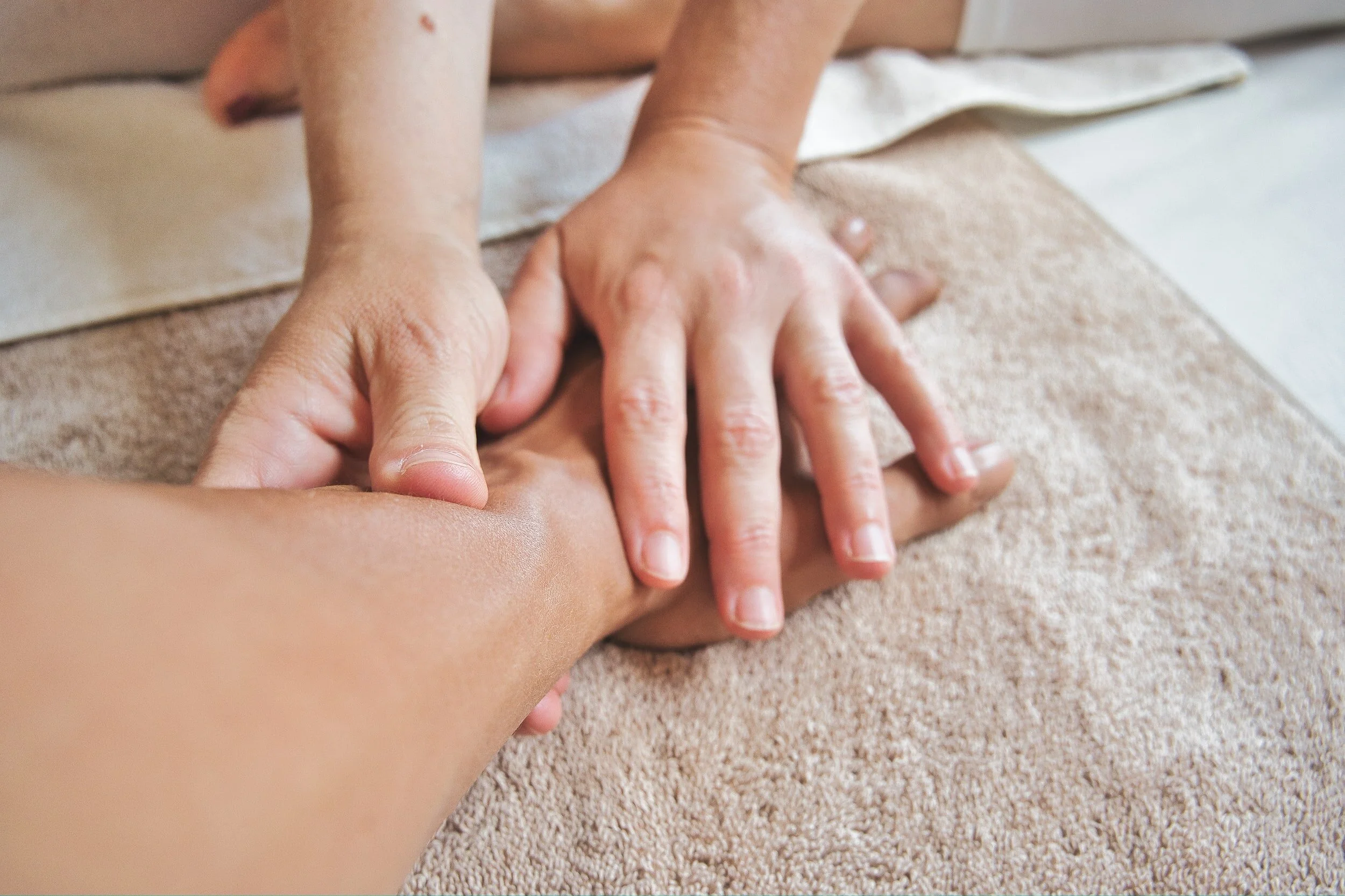
Our bodies are intricate systems composed of muscles, tendons, and fascia that work harmoniously to facilitate movement. However, at times, this symphony can be disrupted by the formation of knots, which are areas of tension and tightness within our muscles. These knots can cause discomfort, pain, and restricted range of motion, interfering with our daily lives. In this blog post, we will explore what knots are, what causes them to form, and how we can effectively alleviate them to restore balance and well-being.
Understanding Knots:
Knots, also known as myofascial trigger points, are localized areas of muscle fibers that have contracted and formed tight bands. These knots can be felt as tender, palpable nodules within the muscle tissue. When pressure is applied to these knots, they often elicit pain or discomfort, which can radiate to other parts of the body.
Causes of Knots:
Muscular Overuse: Engaging in repetitive or strenuous activities, such as long hours at a desk, excessive exercise, or improper lifting techniques, can lead to muscle overuse. This repetitive strain can cause muscle fibers to contract and form knots.
Poor Posture: Maintaining a slouched or hunched posture for extended periods places excessive strain on certain muscle groups, causing them to tighten and form knots. Common culprits include sitting at a desk, prolonged smartphone use, or improper ergonomics.
Stress and Emotional Factors: Psychological stress, anxiety, and emotional tension can manifest physically within the body. These emotional states can lead to muscle tension and the development of knots, particularly in the neck, shoulders, and upper back.
Injuries: Trauma or injuries to muscles, tendons, or ligaments can result in the formation of knots as part of the healing process. Scar tissue and adhesions may develop, leading to localized tension and restricted movement.
Alleviating Knots:
Regular Stretching: Incorporate gentle stretching exercises into your daily routine. Focus on the affected areas to promote blood flow, relieve tension, and prevent the formation of knots. Yoga, Pilates, and tai chi are excellent practices that promote flexibility and relaxation.
Massage Therapy: Seek professional massage therapy to target and release the knots. Techniques like deep tissue massage, myofascial release, and trigger point therapy can help break down the tension and restore proper muscle function.
Heat and Cold Therapy: Alternating between heat and cold packs can aid in reducing muscle tension. Apply a heating pad or take a warm bath to relax the muscles, followed by a cold pack or ice wrapped in a cloth to reduce inflammation and numb pain.
Correcting Posture: Be mindful of your posture throughout the day. Sit and stand with a straight back, shoulders relaxed, and head aligned with your spine. Consider ergonomic adjustments in your work environment, such as using an ergonomic chair or standing desk.
Stress Management Techniques: Engage in activities that help manage stress, such as meditation, deep breathing exercises, or mindfulness practices. These techniques can alleviate emotional tension and prevent the buildup of physical knots.
Regular Exercise and Movement: Engaging in regular physical activity helps improve blood circulation, relax muscles, and prevent muscle imbalances. Choose activities you enjoy, such as swimming, walking, or cycling, to keep your body active and healthy.
Conclusion:
Knots in the body can be a source of discomfort and can significantly impact our quality of life. By understanding the causes behind their formation and implementing effective strategies to address them, we can find relief and restore balance to our bodies. Remember to prioritize self-care, maintain good posture, and seek professional help.