What is a Swedish Massage?
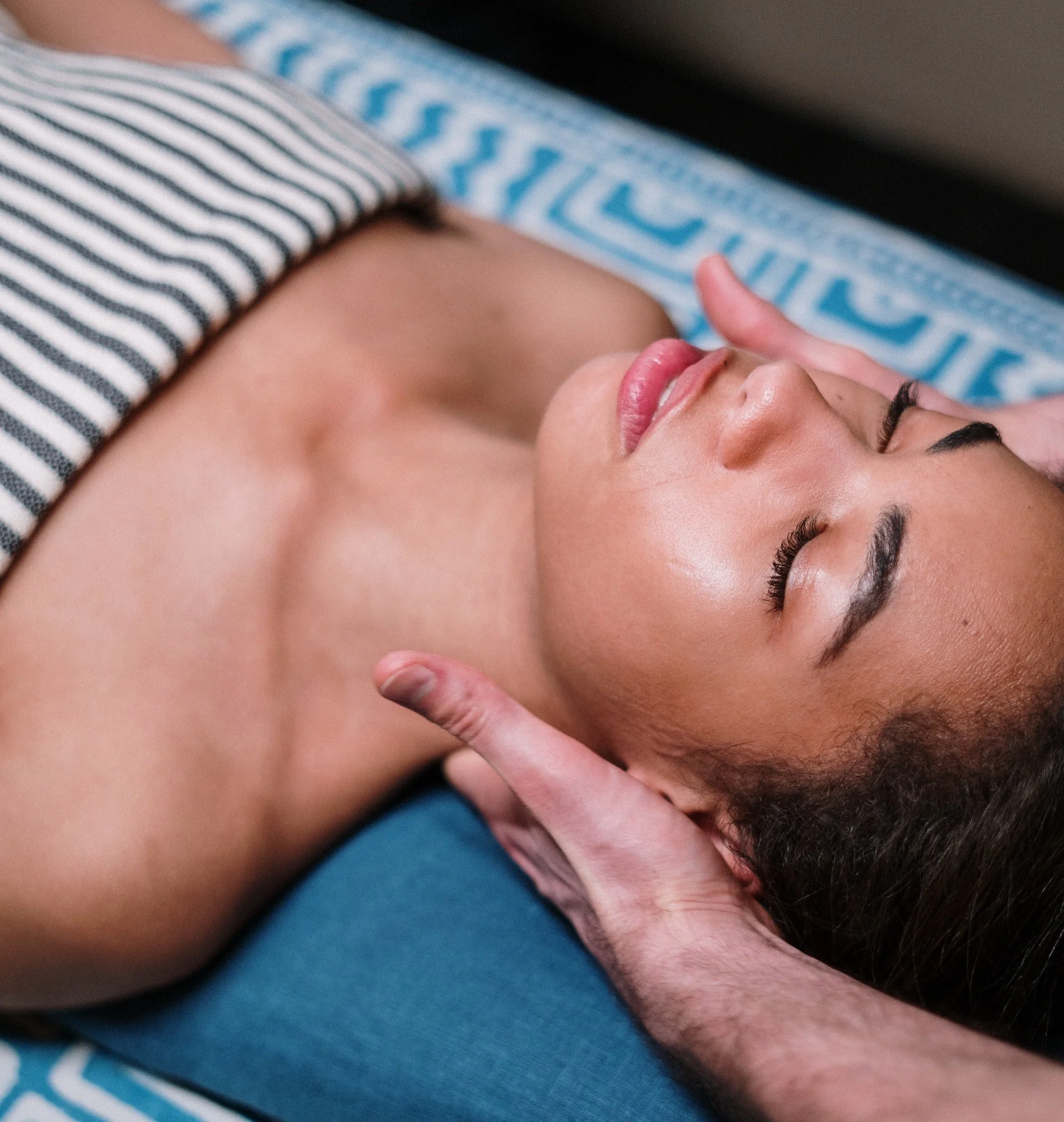
Swedish massage, known for its relaxing and rejuvenating abilities, is one of the most popular massage techniques worldwide. This article will delve into the history, benefits, and unique elements that make Swedish massage a go-to choice for wellness enthusiasts. If you've ever considered a massage but aren't sure where to start, this guide to Swedish massage might just be your perfect introduction.
What is Swedish Massage?
Originating in the West, Swedish massage is often considered the standard for many massage therapies available today. This therapeutic technique utilizes five primary strokes: effleurage (long, gliding strokes), petrissage (kneading and squeezing), tapotement (rhythmic tapping), friction (deep, circular movements), and vibration/shaking. These strokes aim to soothe muscles, enhance circulation, and promote overall relaxation.
The Benefits of Swedish Massage
The benefits of Swedish massage extend far beyond a simple stress-relief session. Studies show that Swedish massage can significantly alleviate chronic pain, particularly related to conditions such as osteoarthritis. It aids in improved circulation, leading to better oxygen supply to your muscles and accelerated toxin removal. Furthermore, this massage technique promotes deep relaxation, resulting in better sleep quality and an enhanced state of mental wellbeing.
What to Expect During a Swedish Massage Session
Your Swedish massage experience begins the moment you step into a spa or clinic. The practitioner will typically conduct a brief consultation, taking note of your medical history and any areas of concern. Following this, you'll be led to a tranquil, softly lit room where the massage takes place. During the massage itself, you will be draped in a sheet for comfort and privacy, with only the part being worked on exposed. Your therapist will use a blend of long, gliding strokes, kneading, and circular movements on your muscles, typically starting with lighter strokes to warm up the muscles before delving into more focused work. A Swedish massage should never cause you pain; rather, it should be a comfortable and soothing experience. After your massage, you'll likely feel more relaxed and may notice a decrease in muscle tension. It's essential to hydrate post-massage to help flush out any released toxins and to maximize your session's benefits. Remember, every person's experience with Swedish massage is unique, so communication with your therapist is key to a beneficial session.
When to Choose Swedish Massage
Swedish massage is particularly beneficial for individuals seeking stress relief, relaxation, and general wellness. Its versatility makes it an excellent choice for those new to massage therapy, given its gentle and non-invasive nature. Additionally, athletes and those recovering from injuries may find Swedish massage useful for muscle recovery and flexibility enhancement.
Swedish Massage vs. Other Massage Techniques
While each massage style has its unique merits, Swedish massage stands out for its focus on relaxation and whole-body wellbeing. Compared to deep tissue massage, Swedish massage uses lighter pressure and tends to be more calming. Meanwhile, unlike Thai massage, which involves stretching and yoga-like positions, Swedish massage primarily focuses on the use of hands, forearms, and elbows to manipulate muscle tissues.
Conclusion
In conclusion, Swedish massage offers a plethora of benefits, serving as a valuable tool in your wellness journey. Whether you seek relaxation, pain relief, or simply a healthier lifestyle, Swedish massage could be the ideal option. Ready to embrace the restorative experience of Swedish massage? Book a session today and let the soothing journey begin. Share this guide with loved ones who might also benefit from understanding the powerful impact of Swedish massage.